Read in 11 mins
Found Your Dream Interior on Instagram or Pinterest? Here’s How to Turn That Inspiration Into a Real Project
An Instagram or Pinterest post can show you what a beautiful room looks like, but it rarely tells you how to recreate it. You may not know which products were used, where to find similar materials, whether the design will suit your room, or which professionals you need to bring the project together.
This gap between finding inspiration and executing it is exactly where many interior projects lose direction.
Finding an Interior You Love and Seeking Inspiration
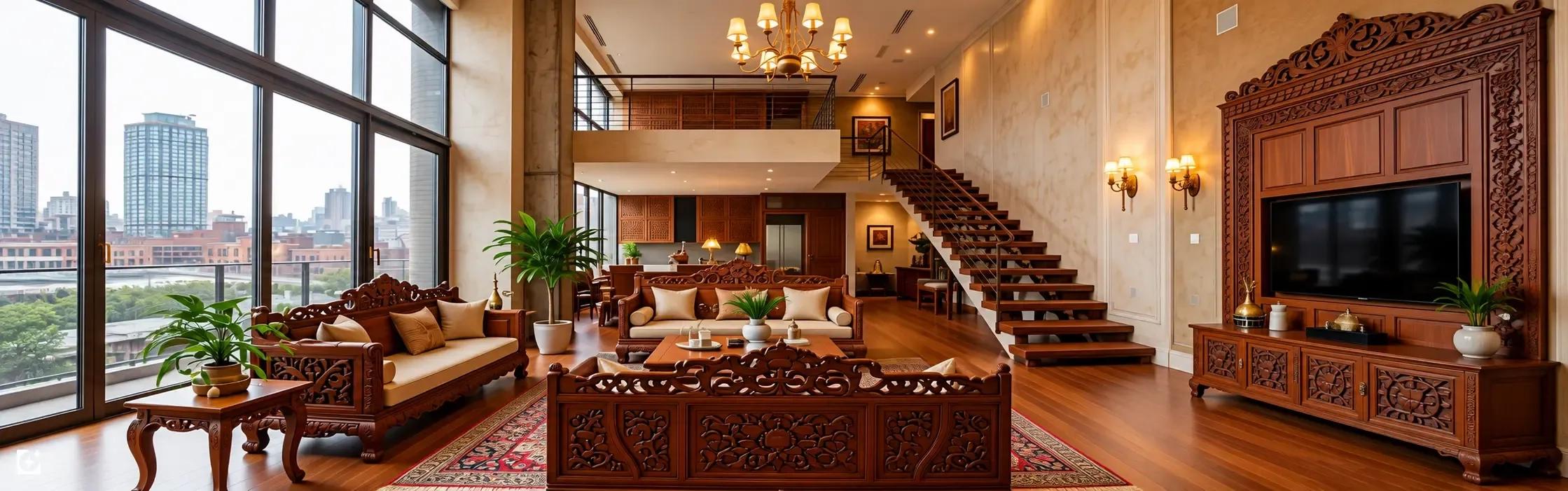
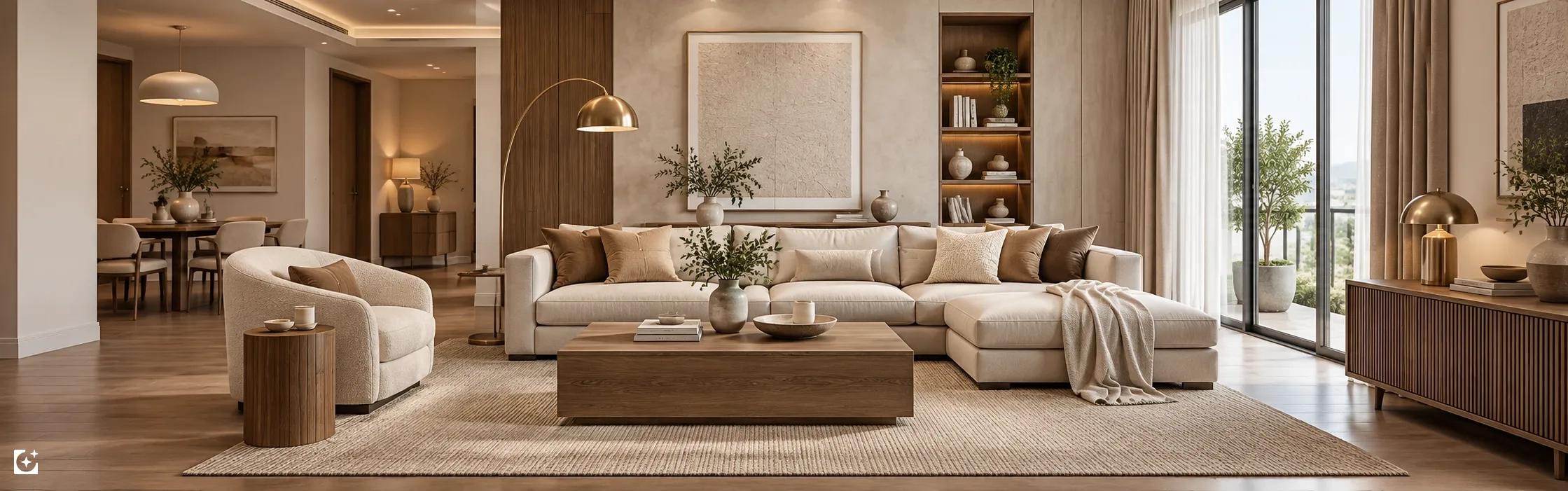
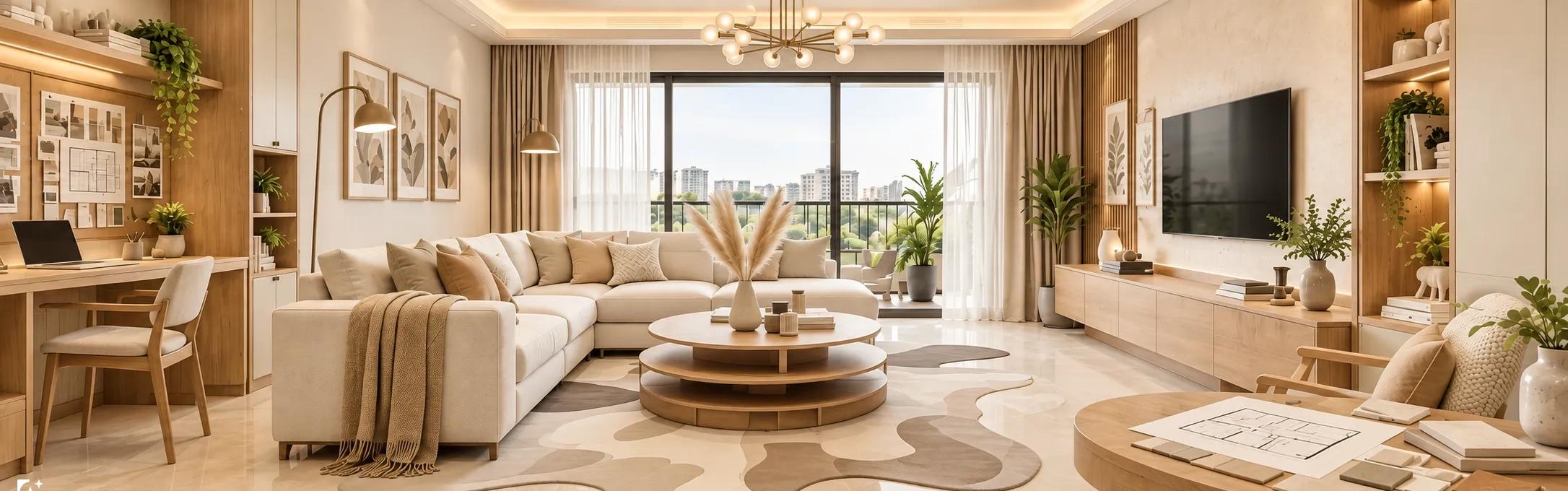
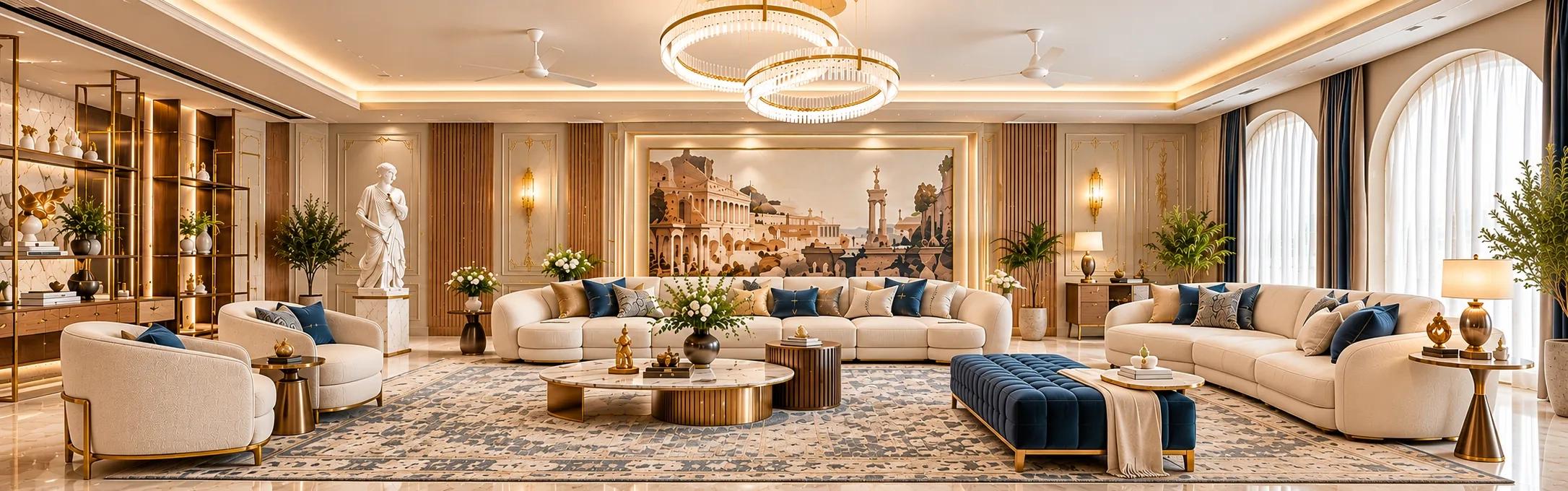
Instagram, Pinterest, and other visual platforms are great for finding inspiration, especially for interior design. A few minutes of scrolling can introduce you to hundreds of living room designs, modular kitchens, bedrooms, office interiors, and exterior concepts. However, the challenge is in turning those ideas into something that actually works for your space.
An image that you see on any of the above platforms can contain dozens of things that work well together in a particular space. The flooring, wall finishes, furniture, lighting, ceiling, colours, and layout all contribute to this. But this can be very different from the kind of look that you want. While the image looks good alone, it cannot be copied directly into your space, which is only one part of your entire building or house.
This often leads to a fragmented project journey. To try to fill the gaps, you might think of asking friends for ideas or a contractor for recommendations. You’ll eventually end up running from pillar to post, trying to explain your vision, but the original idea gets watered down and you end up settling for something close but not what you envisioned before.
BuildingWorld approaches this problem with a web platform that treats inspiration as the starting point of a larger journey, rather than the final destination. It connects four important stages of a building or interior project: Ideas, AI Visualization, Products, and Professionals. It uses sophisticated AI software that helps you visualize, customize your space based on your idea and also helps you find the right products and the right professionals to bring it to life.
Start by Understanding What You Actually Like About the Design
Before trying to recreate an interior you found on Instagram or Pinterest, the first step is to understand what exactly you like about the image. Instead of looking at the room as one complete design, break it down into individual elements.
A simple way to do this is to look at the image category by category and to make a checklist like the one you see below:
✓ | Category | Sub-categories / What to Identify |
☐ | Flooring | Material • Colour • Pattern • Texture • Finish • Size/Format |
☐ | Ceiling | False Ceiling • Beams • Panels • Moulding • Cove/Concealed Lighting • Texture • Design |
☐ | Walls | Paint • Wallpaper • Wall Panelling • Cladding • Stone • Texture • Accent Wall |
☐ | Furniture | Sofa • Chairs • Tables • Beds • Cabinets • Storage • Shape • Style • Material • Colour |
☐ | Lighting | Pendant Lights • Chandeliers • Spotlights • Downlights • Cove Lighting • Wall Lights • Floor Lamps • Natural Light |
☐ | Colours | Primary Colour • Secondary Colour • Accent Colour • Neutral Tones • Colour Combinations |
☐ | Materials & Finishes | Wood • Marble • Stone • Glass • Metal • Fabric • Laminate • Veneer • Other Finishes |
☐ | Doors & Windows | Door Style • Door Material • Window Style • Frames • Glass • Curtains/Blinds |
☐ | Decor & Accessories | Rugs • Curtains • Cushions • Artwork • Mirrors • Plants • Vases • Decorative Objects |
☐ | Kitchen Elements | Cabinets • Countertop • Backsplash • Hardware • Appliances • Sink • Lighting |
☐ | Bathroom Elements | Tiles • Sanitaryware • Vanity • Shower • Fixtures • Mirrors • Lighting • Storage |
☐ | Layout & Spatial Planning | Furniture Placement • Room Zoning • Circulation • Open Space • Focal Points • Window/Door Position |
☐ | Overall Style | Modern • Contemporary • Minimalist • Luxury • Traditional • Industrial • Rustic • Scandinavian • Indian • Eclectic |
☐ | Design Details You Like | Specific Features • Patterns • Shapes • Textures • Unique Elements • Focal Points |
Once you break the image down this way, you have a much clearer idea of what you actually want to take from the design and what you don't. You can then use these individual elements as a reference when developing a design that suits your own space.
Move From Inspiration to Understanding the Products Behind It
Once you’ve figured out what works for you, one of the biggest frustrations is finding the materials and products online. It’s not good enough to just see something you like without knowing what products or materials were used to create it.
Searching vague terms online can produce hundreds of unrelated results that do not match the visual reference you started with.
Visual product discovery matters when building your space.
BuildingWorld's Ideas and Lens experience is designed around this behaviour. The platform aims to make the visual connection between an idea and the products or suppliers behind it more accessible.
The journey can therefore move from seeing a design → identifying relevant elements → exploring products → connecting with brands or dealers. For someone who started with an Instagram- or Pinterest-inspired interior, this is much more useful than opening multiple browser tabs and manually searching every visible item.
Look Beyond Furniture: Understand Every Element That Makes a Space
When you see a beautiful interior online, it is easy to focus on the most noticeable elements like the sofa, dining table, bed, or a statement light. But these are only a small part of what makes a space look and feel the way it does.
If you are planning your own home, it helps to understand the different elements that come together to create an interior. Think of your space as a combination of surfaces, structures, functional products, lighting, furniture, and finishing touches.
Element | What You Should Look At | Questions to Ask Yourself |
Flooring | Tiles • Marble • Wood • Stone • Vinyl • Patterns • Finishes | What flooring will suit the room? Do I want it to look warm, luxurious, minimal, or practical? |
Walls | Paint • Wallpaper • Panelling • Textures • Stone • Cladding | Should the walls be plain or detailed? Do I need an accent wall? |
Ceiling | False ceiling • Wood • Panels • Beams • Cove lighting • Finishes | Does the ceiling need a design? How will lighting be incorporated into it? |
Lighting | Ambient • Task • Accent • Decorative • Natural light | Where do I need light? Do I want the room to feel bright, warm, dramatic, or relaxed? |
Furniture | Sofa • Bed • Dining table • Chairs • Storage • Cabinets | What furniture do I actually need? What size, style, and material will work in my space? |
Doors & Windows | Doors • Frames • Glass • Curtains • Blinds | How will these fit into the overall design? How much natural light do I want? |
Kitchen | Cabinets • Countertops • Backsplash • Hardware • Appliances • Sink | What materials and finishes should I use? How should the kitchen be organized for everyday use? |
Bathroom | Tiles • Vanity • Sanitaryware • Fixtures • Shower • Mirrors • Storage | What combination of materials, fittings and lighting will work for the space? |
Electrical & Functional Elements | Switches • Sockets • Fans • AC • Appliances • Wiring points | Where will these be placed so that they are both functional and visually integrated? |
Decor & Accessories | Rugs • Curtains • Artwork • Mirrors • Plants • Cushions • Objects | What finishing touches will bring the space together without making it cluttered? |
Materials & Finishes | Wood • Stone • Metal • Glass • Fabric • Laminate • Veneer | Which materials should work together? Do their colours, textures and finishes complement each other? |
Layout | Furniture placement • Movement • Storage • Room zoning • Focal points | Will the space be comfortable to move around in? Does everything have a practical purpose? |
You do not need to know the technical details of every product before you start. The important thing is to understand what role each element plays in the overall design.
For example, if you like a kitchen on Instagram or Pinterest, don't just search for the cabinets. Look at the cabinet finish, countertop, backsplash, handles, flooring, lighting, appliances, and wall treatment. These elements work together to create the final appearance.
This way of looking at interiors helps you make better decisions because you are no longer trying to copy a photograph. You are understanding why the space looks the way it does and which elements you want to recreate in your own home.
From Visual Direction to an Actual Project Plan
Once you have identified a design direction and started exploring products, the next challenge is execution.
A project requires an interior designer, architect, contractor, civil professional, or specialized workers depending on its scale and requirements.
This is why BuildingWorld has created an ecosystem to connect you to the best professionals. You can explore relevant contractors, builders, architects, designers, and other professionals based on your project requirements.
This creates a more logical connection between what you want to build and the people who can help move the project forward.
The platform also includes options such as Announce Your Project and Post a Requirement, allowing you to define what you are looking for and connect your project needs with relevant businesses or service providers. Instead of treating professional discovery as a completely separate task, it becomes another stage in the overall project journey.
See Your Ideas Come to Life with StudioWorld
Once you have identified the elements you like and have a clearer idea of the kind of space you want, the next question is: How will it actually look in your own space?
This is where StudioWorld can help.
StudioWorld is an AI-powered design tool that allows you to redesign any area according to your requirements. Instead of trying to imagine how a particular style, colour, material, or furniture arrangement will look in your home, you can use AI to explore different possibilities visually.
You can start with an existing space and experiment with different design directions based on what you want.
The advantage is that you can experiment before committing to a particular design. You might discover that a style you loved on Instagram or Pinterest photographs does not work as well in your space or that a few changes can make it work much better.
The process becomes simple:
Your Space → Your Requirements → AI Redesign → Explore Different Possibilities → Finalize Your Design Direction
You don't have to be an interior designer to start. Simply think about what you want to change, what you like, and how you want the space to feel. StudioWorld helps turn those requirements into visual possibilities, giving you a clearer direction before you move on to selecting products and planning the actual project.
From Inspiration to a Space That Is Truly Yours
If you are designing or renovating your home for the first time, you don't need to have all the answers before you begin. You may not know which materials to choose, which products you need, or even exactly how you want your space to look.
You may simply have a photograph saved on Instagram or Pinterest and think, “This is what I want my home to feel like.”
That is a perfectly good place to start.
Instead of trying to copy the photograph, begin by understanding what you actually like about it. Break the image down into its flooring, walls, ceiling, furniture, lighting, colours, materials, layout, and other details. This helps you turn a general feeling into specific design requirements.
You can then take those requirements into StudioWorld and explore how they could work in your own space. Experiment with different styles, colours, materials and design directions until you find something that feels right for you.
More importantly, having a clearer visual direction can make it much easier to communicate your ideas to your interior designer, architect or contractor. Instead of trying to explain what you mean by “modern,” “luxurious,” or “minimal,” you can show them the kind of look you have in mind and discuss the specific elements you want to include.
This can make conversations more productive, help professionals understand your expectations more clearly, and reduce the chances of your original idea getting lost as the project progresses. Your designer or contractor can then guide you on what is practical for your space, suggest suitable alternatives, and help translate the visual concept into an executable plan.
The important thing is that you don't have to be an interior designer to have a well-designed home. You simply need to understand what you like, communicate what you want, and have the right tools to help you explore your options.
Your Instagram or Pinterest saves don't have to remain just photographs that you admire. With the right understanding, visualization, and communication, they can become the starting point for creating a space that is designed around you, your requirements, and the way you want to live.