Read in 8 mins
From Pinterest Boards to Real Rooms: How to Plan Your Interior Before You Buy Anything
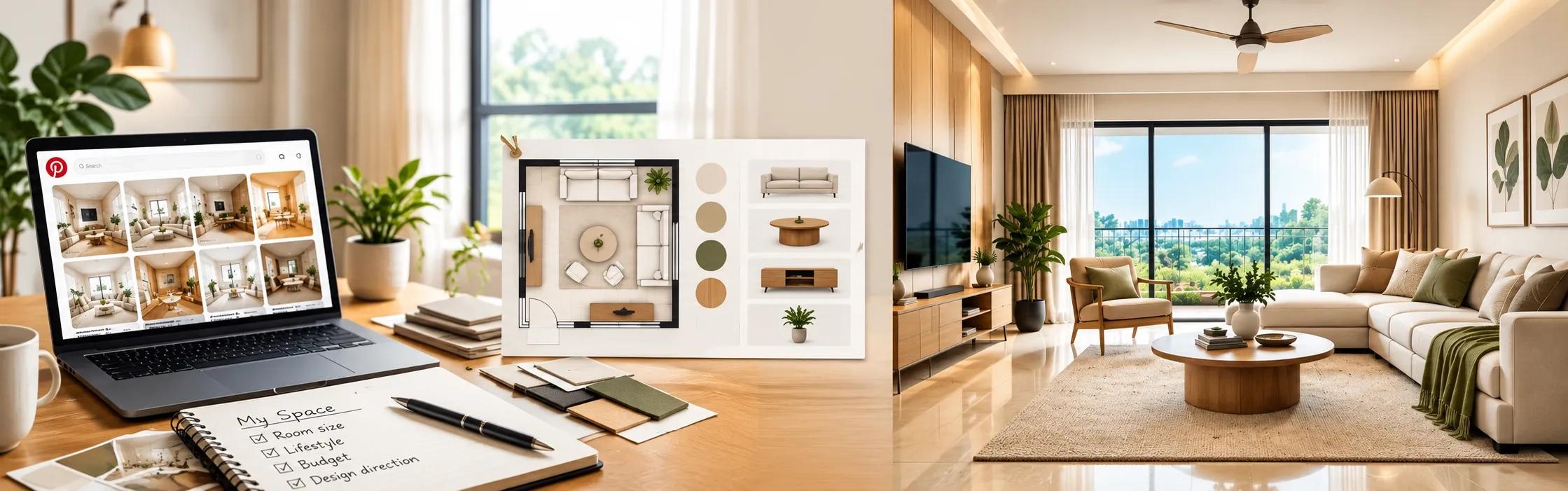
Pinterest is a great website to get design ideas. When it comes to interior design, you can get several pictures that show you some amazing work. However, the practical feasibility is not guaranteed.
You might end up saving hundreds of designs on Pinterest and still have no idea what your own room should look like. One design may have a warm wooden kitchen, another a minimalist living room, and another a luxury bedroom. This is because there is no way that you can customize a design to your space just from a picture!
This blog will help you figure out exactly what works for your space. BuildingWorld helps visualize your ideas through sophisticated software and also helps you connect with the right people to get the job done perfectly.
Why Your Sourcing Choice Matters
A Pinterest image shows the finished appearance, but it rarely explains what made that interior work. The result may depend on specific flooring, furniture dimensions, lighting, wall finishes, colours, storage, and the relationship between all these elements.
This matters because an attractive product is not automatically the right product for your project. A flooring material, for example, needs to suit the room's usage and maintenance requirements. Similarly, furniture must fit the available space, while colours and finishes need to work with the rest of the interior.
The goal, therefore, is not to copy a picture. It is to understand the design direction behind it and build your choices around your own space.
Key Takeaways at a Glance
Core Insight: Finalize your design direction and space requirements before shortlisting individual products.
Cost Factor: Planning first helps you avoid spending on products that later clash with the design or do not suit the space.
Efficiency Tip: Connecting inspiration, product discovery, and professional support in one workflow can reduce fragmented research and repeated vendor searches.
Deep Dive: Turning Interior Inspiration Into a Practical Plan
1. Define the Design Direction Before Choosing Products
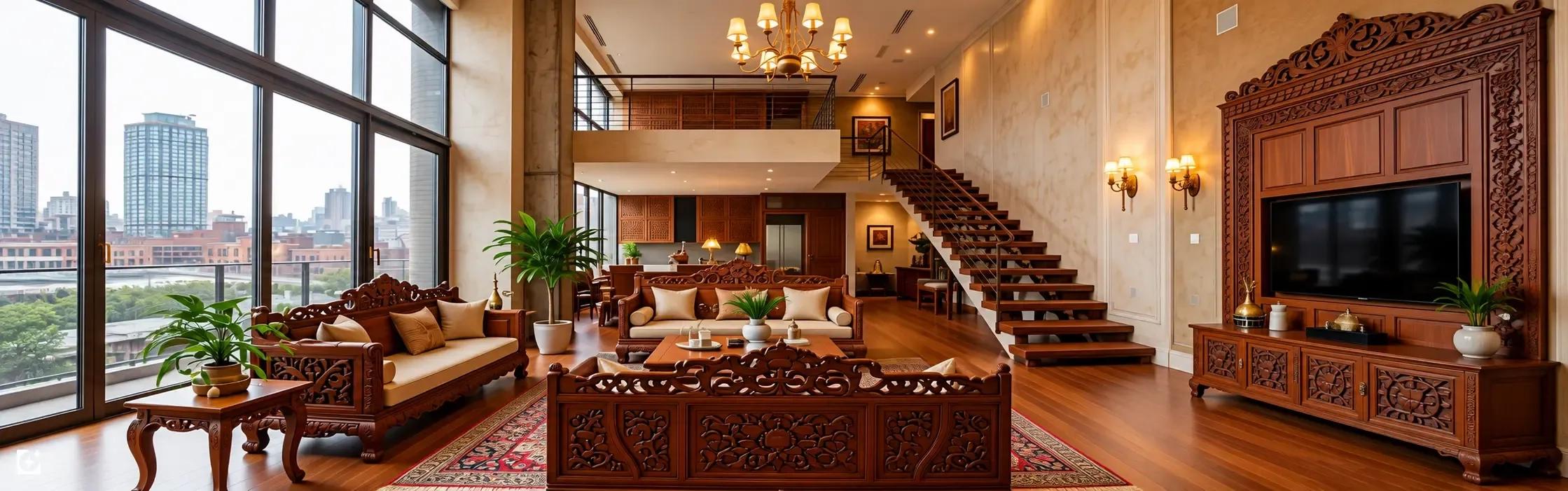
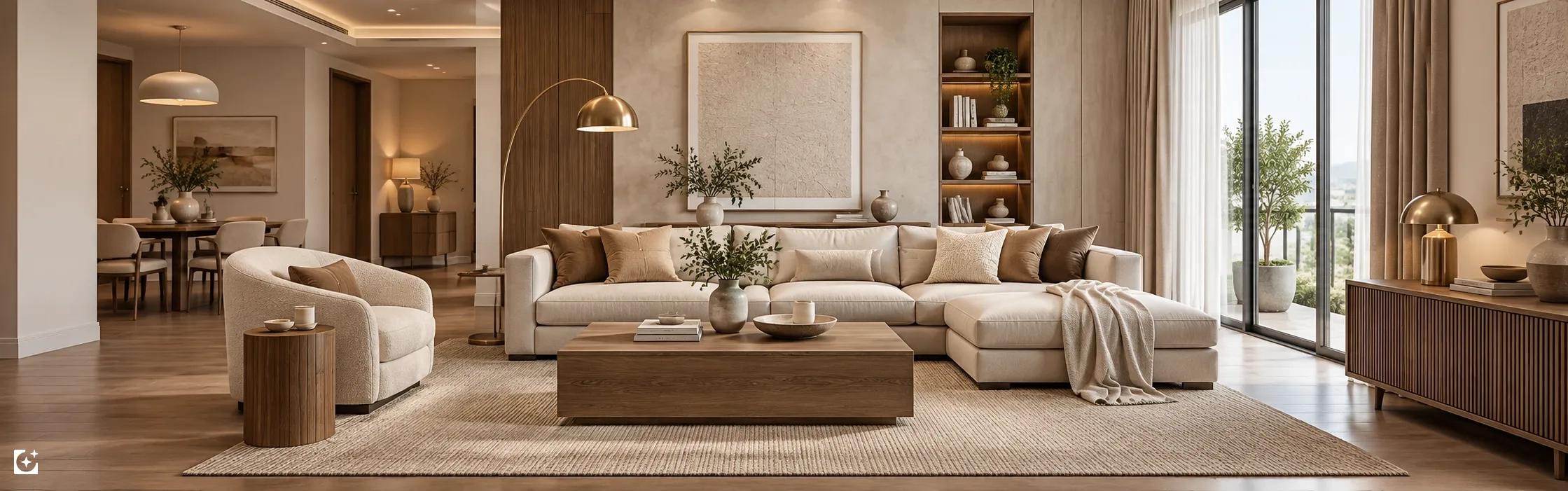
Start by identifying what you want the room to feel like. Do you prefer a warm and relaxed interior, a minimal space, a more luxurious setting, or an Indian traditional look? Your answer gives every later decision a common direction.
Look through your saved Pinterest images and identify the elements that appear repeatedly. You may notice natural wood, neutral colours, soft lighting, clean furniture, or traditional patterns across several references. These repeated elements are more useful than copying one room exactly.
At BuildingWorld, the Ideas section is designed to help you explore complete design directions rather than starting with individual products. This allows the visual concept to come first, giving your later sourcing decisions more context.
2. Break the Design Into Material and Product Decisions
Once you know the overall direction, divide the room into individual components. Depending on the space, this could include flooring, walls, ceilings, furniture, lighting, storage, fixtures, colours, and decorative elements.
Consider a kitchen. Its appearance is not created by cabinet colour alone. The countertop, backsplash, hardware, flooring, lighting, and appliances all contribute to the finished look. Choosing each element separately without considering the others can produce an inconsistent result.
This is where product discovery becomes more useful. Instead of asking which products look attractive, you can start asking which products support the design you are trying to create.
3. Check Every Choice Against the Actual Space
A Pinterest room may have different dimensions, ceiling height, windows, doors, natural lighting, and circulation space from your home. A design that works beautifully in a large photograph may not work in a compact apartment.
Measure your available space and identify permanent features before making major purchases. Consider how people will move through the room and whether furniture leaves enough usable space. An oversized sofa or large kitchen island can affect the entire layout if the dimensions are not checked first.
BuildingWorld's StudioWorld can also support this early visualization stage. You can start with an existing room or space and explore different design concepts and styles. This gives you a visual reference for exploring possibilities before moving into detailed execution.
4. Explore Styles Before Committing
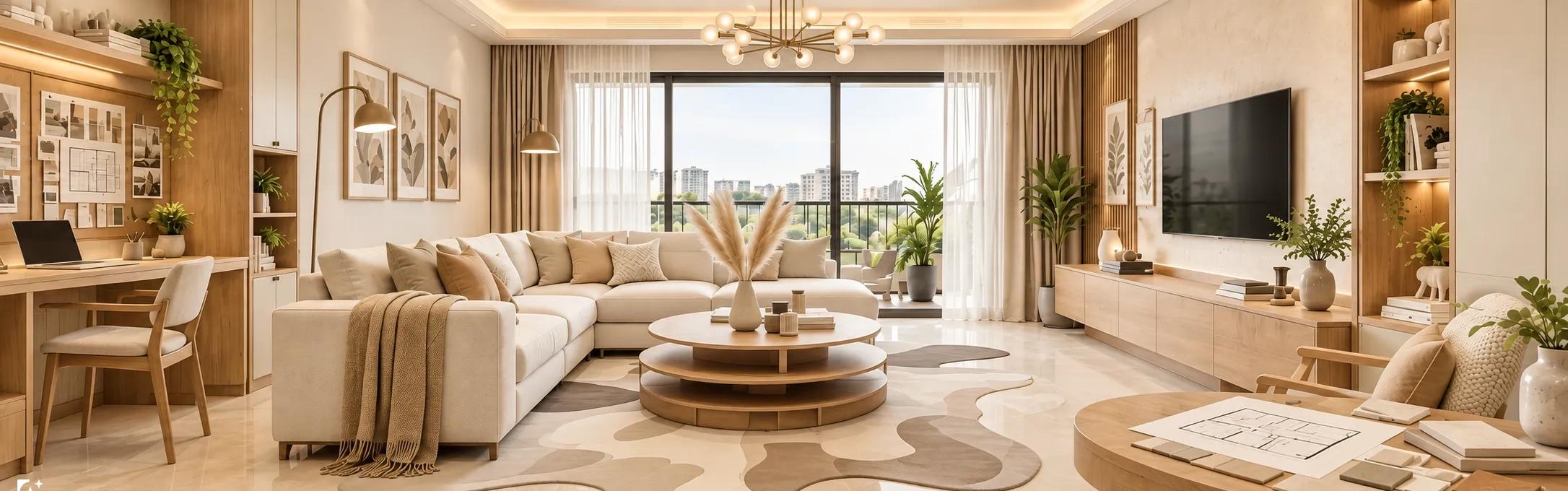
Sometimes the challenge is not a lack of inspiration but having too much of it. You may be considering luxury, minimalist, contemporary, or Indian traditional interiors without knowing which direction suits your home.
Visualization makes this stage more experimental. Instead of immediately committing to expensive finishes or furniture, you can explore how different styles could change the character of a space.
StudioWorld is useful here as a design exploration tool. However, a visual concept should not be treated as a final construction drawing. Actual dimensions, material specifications, installation requirements, and site conditions still need professional consideration before execution.
5. Build a Product Shortlist Around the Design
Once your design direction is clear, your product search becomes more focused. Instead of searching for a generic "beautiful sofa" or "best tiles," you can evaluate products according to the room, style, material requirements, usage, and budget.
Interior products also influence one another. Flooring affects how furniture looks. Lighting changes the appearance of colours and finishes. Countertops need to work with cabinetry, while wall finishes need to complement the overall palette.
BuildingWorld connects this design process with product discovery. Through Ideas and the Lens experience, users can explore products associated with visual design references and move from inspiration towards relevant product or supplier options.
The advantage is that you are not beginning with a catalogue. You are beginning with a project and using product discovery to support it.
Comparative Analysis: Inspiration-Led Planning vs Random Product Shopping
Sourcing / Planning Metric | Inspiration-Led Planning | Random Product Shopping |
Design direction | Establishes a consistent overall look | Individual products may lack connection |
Space suitability | Decisions are checked against the actual room | Products may be chosen before measurements |
Product selection | Based on style, function and project requirements | Often based mainly on appearance |
Cost efficiency | Helps reduce unsuitable purchases | Can lead to repeated or zunnecessary spending |
Maintenance | Considered before final selection | May be overlooked |
Execution | Creates a clearer brief for professionals | Requires more decisions later |
Flexibility | Allows alternatives within the same design direction | Changing one product may affect several others |
The purpose is not to stop experimenting with products. It is to make sure experimentation happens within a clear design direction.
Professional Tips for Architects and Project Managers
For architects, interior designers, and project managers, the same process can make client discussions more productive. A Pinterest board can show what a client likes, but a focused set of references with notes about colours, materials, layouts, and preferred details provides a much clearer project brief.
Design integration should also be considered early. Materials, furniture, lighting, and finishes need to work together rather than being treated as independent specifications. Technical requirements such as dimensions, installation conditions, durability, maintenance, and applicable project requirements should be checked before procurement.
BuildingWorld's Professionals ecosystem can support the transition from planning to execution by helping users explore architects, interior designers, contractors, builders, civil professionals, and other specialists. Features such as Announce Your Project and Post a Requirement help turn project needs into a more structured search for relevant businesses and service providers.
Streamlining Your Interior Sourcing Process
The biggest mistake in interior planning is treating inspiration, visualization, product sourcing, and execution as completely separate activities. When these decisions are disconnected, you can spend more time searching, repeat the same research, or purchase products before understanding how they fit into the complete design.
A more organized process is simple: find inspiration, define the direction, visualize the space, shortlist products, compare requirements, and then involve the right professionals. Each step gives the next one more clarity.
This is the approach behind BuildingWorld. Ideas help you explore design inspiration, StudioWorld helps you experiment with visual concepts, Products supports material and interior product discovery, and Professionals helps you move towards project execution.
A Practical Interior Planning Checklist
Before you start buying, check whether you have:
Identified your preferred design style
Considered the dimensions of your actual space
Selected the main colours and finishes to explore
Separated inspiration from exact product choices
Identified the major product categories required
Considered durability and maintenance
Created a product shortlist instead of buying randomly
Checked your choices against the overall project budget
Considered installation requirements
Identified whether you need a designer, architect, contractor, or specialist
Prepared a clear brief using your strongest visual references
If several of these decisions are still unclear, there is no need to rush into shopping. Another round of planning can prevent unsuitable purchases later.
Find the Right Materials and Professionals for Your Interior Project
A Pinterest board can show you what you like, but turning that inspiration into a real interior requires more than saving images. You need to understand the space, establish a design direction, explore suitable products, and eventually connect those decisions with the right people for execution.
That is where BuildingWorld brings the process together. You can explore Ideas for inspiration, use StudioWorld to visualize different directions, discover construction and interior Products, and explore Professionals who can help bring your plans to life.
You do not have to stop using Pinterest or other platforms for inspiration. Use them to discover what catches your attention, then take those ideas further with a structured approach.
Ready to turn your saved interiors into a practical plan? Explore BuildingWorld and start connecting your design ideas with visualization, products, and professionals.