

All India
All India



All India
All India
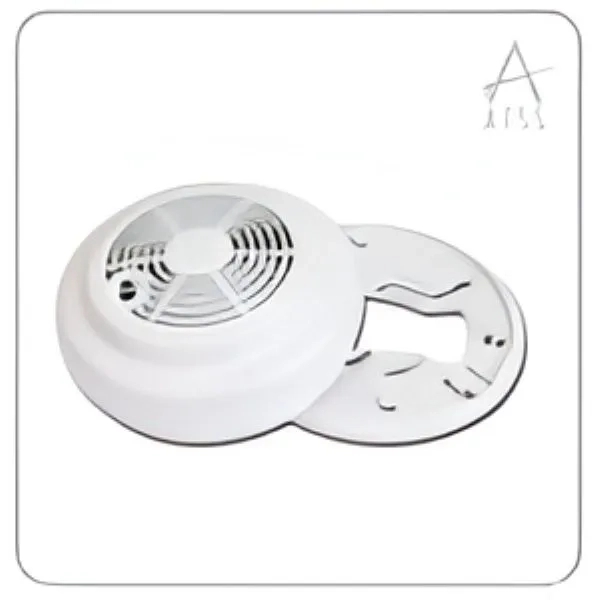
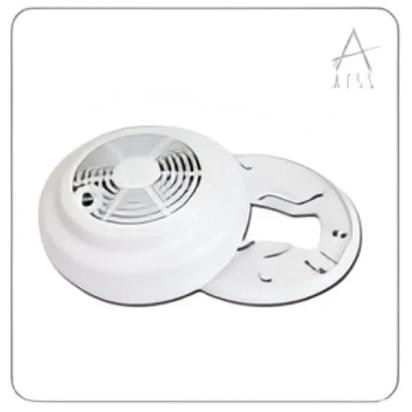
Atss Smoke Alarm
Color
White
₹1,000Onwards

This will be an indicative price and not the exact price of the product
Description
A smoke alarm is a device that detects smoke and issues an audible alarm as a warning of a potential fire. They are typically battery-powered or connected to a building’s electrical system and are installed in homes and other buildings to provide early warning in the event of a fire. Smoke alarms should be tested regularly and the batteries should be replaced as needed.
Smoke alarms are an essential safety feature in every home. They are designed to detect the presence of smoke and sound an alarm, alerting you and your family to the potential danger of a fire. In this article, we will discuss the importance of smoke alarms, the different types available, and tips for maintaining and testing them.
The Importance of Smoke Alarms According to the National Fire Protection Association (NFPA), smoke alarms can reduce the risk of dying in a fire by 50%. In fact, many states and municipalities have laws requiring the installation of smoke alarms in homes
Specification
Smoke alarms are designed to detect the presence of smoke, which is one of the first signs of a fire. When smoke is detected, the alarm sounds, alerting you and your family to the potential danger. This early warning can give you precious time to evacuate your home and call for help.
Types of Smoke Alarms
There are two main types of smoke alarms: ionization and photoelectric.
Ionization smoke alarms are more sensitive to small, fast-burning fires, such as those caused by flammable liquids. They use a small amount of radioactive material to ionize the air and create a current. When smoke enters the chamber, it disrupts the current, causing the alarm to sound.
Photoelectric smoke alarms are more sensitive to larger, smoldering fires, such as those caused by cigarettes or overheated appliances.
Maintenance and Testing To ensure that your smoke alarms are working properly, it is important to test them regularly and replace the batteries as needed. The NFPA recommends testing smoke alarms once a month by pressing the test button. If the alarm does not sound, replace the battery or the entire unit.
It is also important to replace smoke alarms every 10 years. Smoke alarms have a limited lifespan, and the sensors can become less sensitive over time.
In addition to testing and replacing the batteries, it is important to keep your smoke alarms clean. Dust and cobwebs can accumulate on the sensors, causing them to become less sensitive.
