
Read in 11 mins
Why Product Discovery Matters for Interior Designers and Building Professionals
A design concept can look complete on paper, but turning it into a real space depends on finding the right products. An interior designer may have a clear vision for a living room but still need to identify the right lighting, furniture, flooring, and finishes. An architect may need building materials that meet project specifications, while a builder needs products that suit the construction requirements and budget.
The challenge is not simply finding products online. It is finding relevant options, understanding how they fit the project, and connecting them with the right brands and dealers without searching across countless disconnected sources.
Why Product Discovery Matters in Design and Construction
Product selection affects more than the appearance of a finished space. It influences functionality, material compatibility, maintenance, installation requirements, and the overall project budget. A product that looks suitable in a photograph may not meet the project's dimensions, performance needs, or intended application.
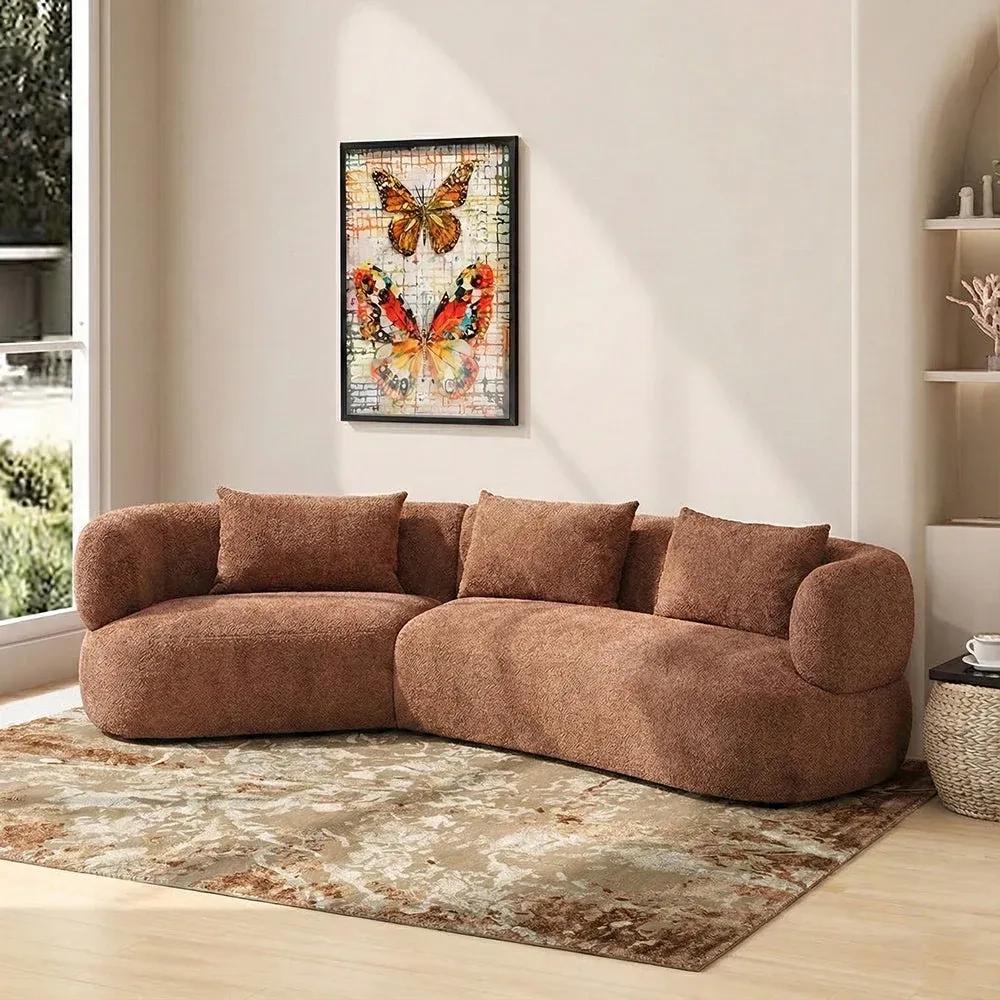
Consider an interior designer working on a compact apartment. The designer may need a sofa that fits the available space, lighting that supports the intended atmosphere, flooring that works with the interior palette, and storage that meets the homeowner's needs. Each decision connects to another. Selecting products separately without considering the overall design can lead to mismatched finishes, unsuitable dimensions, or unnecessary changes later.
The same challenge appears in architecture and construction. An architect needs to explore materials that support the design intent and technical requirements. A civil engineer may need products that meet specified performance criteria, while a builder needs to identify suitable options for different stages of construction.
Product discovery connects design intent with practical project decisions. It helps professionals move from knowing what they want to identifying the products that can help bring the project together.
Key Takeaways at a Glance
Core insight: Product discovery is about finding options that fit the project's design, functional, and technical requirements, not simply browsing a large catalogue.
Cost factor: Comparing suitable alternatives early can help professionals assess costs before finalizing selections, although the total project cost also depends on installation, transport, availability, and other factors.
Efficiency tip: Organizing product research by category, application, specification, and project stage reduces repeated searches and makes shortlisted options easier to review.
How Better Product Discovery Supports Different Professionals
Product discovery serves different purposes depending on the work you do. The common requirement is finding relevant products without losing sight of the project's overall needs.
Interior Designers: Turn Visual Ideas Into Product Choices
Interior designers often begin with a moodboard, reference image, colour palette, or the client's preferred style. The next step is identifying the actual products that can create that look within the available space and budget.
A contemporary living room, for example, may call for a particular combination of seating, lighting, wall finishes, rugs and decorative elements. Finding one suitable product does not complete the selection. Each item needs to work with the others in terms of scale, colour, material and function.
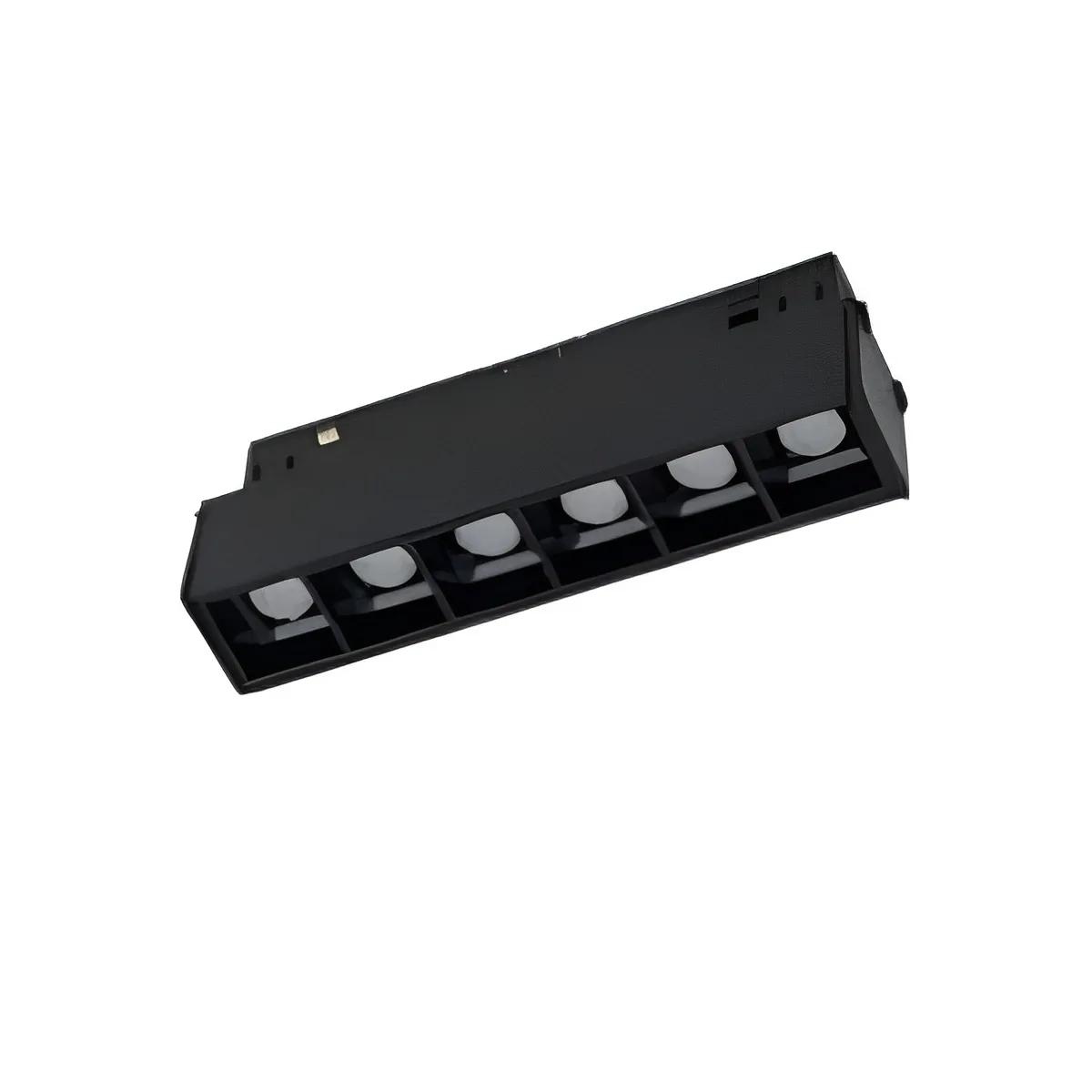
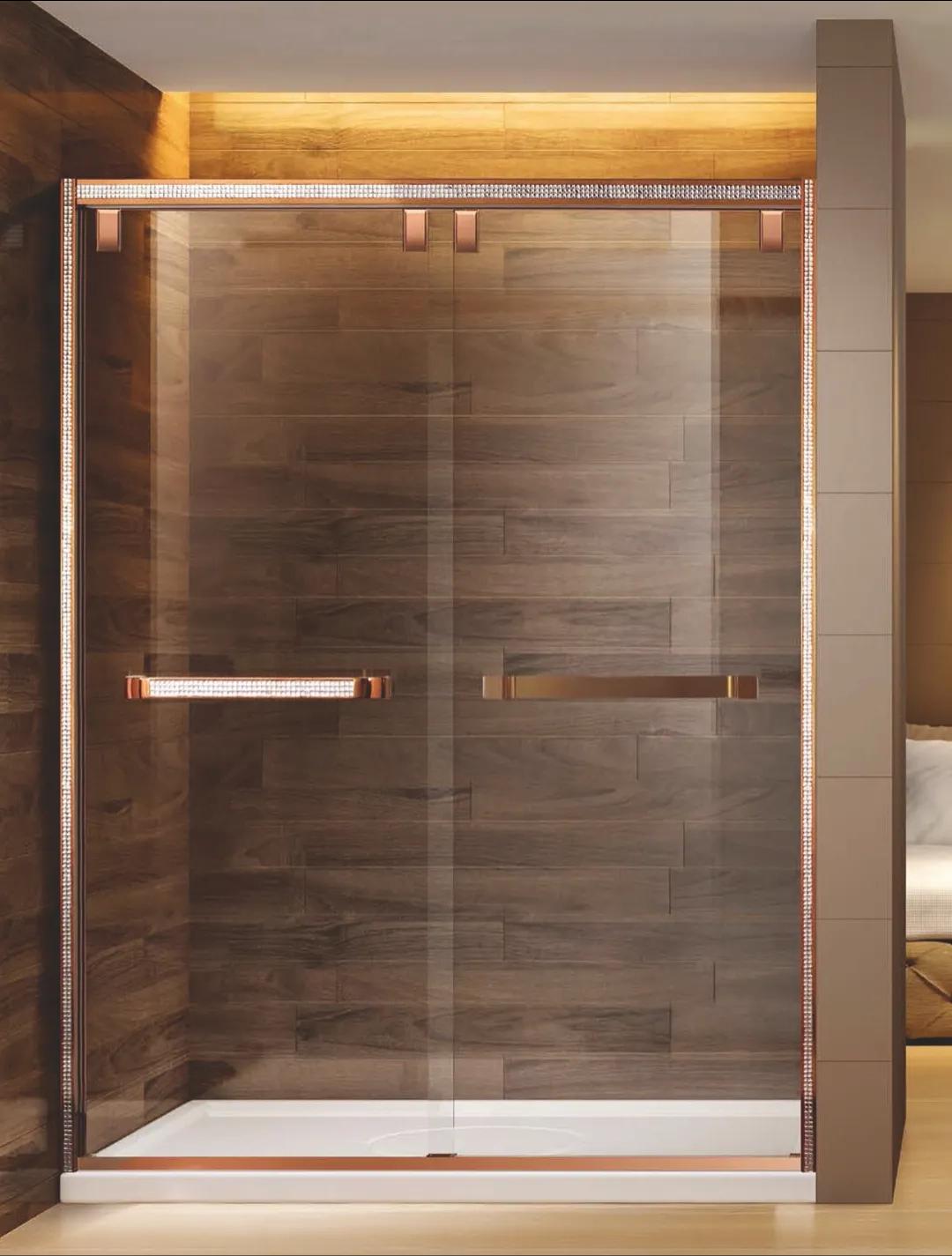
Product discovery becomes more useful when designers can explore furniture, lighting, flooring, wall finishes, bathroom fixtures, kitchen products and décor within a broader product ecosystem. It also helps them investigate alternatives when a preferred item does not fit the project's requirements.
At BuildingWorld, our Products section brings together product categories across building materials and interior requirements. This gives designers a starting point for exploring options across different parts of a space instead of treating every product search as an unrelated task.
Architects: Connect Design Intent With Material Selection
Architects need to consider how products and materials contribute to the building's appearance, function, and performance. Exterior finishes, windows, doors, roofing, flooring, and structural materials serve different purposes, and their suitability depends on the project's specifications.
A material that works well for one application may not be appropriate for another. A façade finish, for instance, needs to be evaluated for the intended environment, maintenance expectations, and installation requirements, not only its appearance.
A more organized discovery process helps architects identify relevant categories before reviewing detailed specifications with manufacturers or suppliers. It can also support conversations with clients by making material options easier to explore and compare.
The key is to treat product discovery as part of design development rather than a task that begins only after the drawings are complete.
Builders and Civil Engineers: Find Products That Fit Project Requirements
For builders and civil engineers, product selection needs to account for technical specifications, intended application, site conditions, and construction schedules. A material's suitability cannot be judged by appearance or price alone.
Concrete-related products, waterproofing systems, electrical components, plumbing products, and flooring materials each have different selection criteria. Depending on the application, professionals may need to verify grades, dimensions, certifications, compatibility, installation instructions, and applicable standards.
Product discovery helps identify potential options, but it does not replace technical verification. Before procurement, the selected product must be checked against the project's approved specifications and relevant requirements.
For professionals managing several work stages, organized product research can also make it easier to identify what needs to be sourced, which details require confirmation, and where alternatives may be considered.
What to Check Before Shortlisting a Product
Finding a product that looks right is only the beginning. Before including it in a project shortlist, evaluate whether it fits the actual requirement.
1. Intended Application
Start by identifying where and how the product will be used. A product selected for a dry interior area may not be suitable for a wet zone or an exposed exterior application. Similarly, a decorative finish and a construction material may have very different performance requirements.
Defining the application first narrows the search and prevents unsuitable options from entering the shortlist.
2. Dimensions and Compatibility
Check the available space, required dimensions, and relationship with adjoining products. Furniture needs to fit the room and allow comfortable movement. Fixtures must work with the relevant plumbing or electrical arrangements, while building products may need to align with specified installation systems.
For integrated selections, confirm compatibility before finalizing the combination. A product can be attractive on its own and still be unsuitable for the complete assembly.
3. Specifications and Quality
Review the manufacturer's technical information, material composition, performance ratings, certifications where applicable, care requirements, and installation guidance. For products used in regulated or safety-critical applications, follow the relevant project specifications and applicable standards.
Do not assume that products with similar appearances have the same performance or durability. Verify the details that matter to the intended use.
4. Budget and Long-Term Value
Compare more than the initial product price. Depending on the item, the overall cost may include installation, accessories, transport, maintenance, and replacement considerations.
A lower-priced product may suit the requirement perfectly, while a more expensive option may offer features that the project genuinely needs. The right choice depends on the application, available budget, and expected use.
5. Availability and Sourcing
Before confirming a selection, ask about current availability, lead times, order quantities, delivery arrangements and replacement options where relevant. A product that arrives too late can affect coordination with other work, even if it meets every design requirement.
Confirm these details directly with the relevant brand, dealer or supplier before making a purchase commitment.
Product Discovery Through Disconnected Sources vs a Connected Platform
Product research can involve manufacturer websites, catalogues, dealer contacts, saved images, project references and recommendations from colleagues. These sources can all be useful, but keeping information organized across them requires effort.
Product discovery factor | Disconnected search process | More connected discovery process |
Starting point | Multiple websites, catalogues or contacts | Relevant product categories and project needs |
Exploring options | Research repeated across separate sources | Browse related categories within a broader ecosystem |
Design context | Product references may be separated from inspiration | Ideas and products can be explored as connected parts of the journey |
Brand and dealer research | Requires separate searches and follow-ups | Brand and dealer discovery can sit alongside product exploration |
Project coordination | Details may be scattered across notes and messages | A more organized starting point for reviewing requirements |
Final selection | Still requires individual checks | Still requires individual checks against specifications and project needs |
A connected platform does not remove the need to verify product details or contact suppliers. Its value is in giving professionals a more organized starting point for discovery and helping them explore related parts of a project without treating every search as completely separate.
How BuildingWorld Connects Product Discovery With Design and Construction
At BuildingWorld, we see products as part of a wider project journey. Professionals rarely select materials or interior products in isolation. Their decisions often begin with a design reference, develop through product exploration, and eventually connect with brands, dealers, service providers, and project requirements.
Our platform brings these areas together through several connected sections.
Explore Ideas Before Finalizing Product Choices
The Ideas section offers design inspiration across residential, commercial, hospitality, educational, healthcare, landscape, and other categories. Professionals can explore references to understand different approaches before narrowing down the products that may suit a project.
For an interior designer, this can help frame a client's visual direction. For an architect, it can support early exploration of a building or landscape concept. Inspiration still needs to be adapted to the actual site, requirements, and budget, but it can provide a useful starting point for product research.
Browse Products Across Project Categories
Our Products section supports discovery across a broad range of building and interior categories, including flooring and wall products, lighting, furniture, kitchen and dining, doors and windows, electricals, sanitaryware, construction materials and more.
This wider range matters when one project involves several interconnected selections. A renovation may require products for the kitchen, bathrooms, flooring, lighting and electrical work. Exploring the relevant categories helps professionals structure their research around the actual scope of the project.
Discover Relevant Brands and Dealers
Once you identify a product category or a potential product, the next step is understanding the available sourcing options. Brand and dealer discovery can help professionals continue their research and identify businesses relevant to their requirements.
Product listings and category exploration are a starting point, not a substitute for supplier verification. Confirm the exact product model, specifications, price, stock, delivery terms, and any required documentation directly before placing an order.
Connect Product Research With Project Requirements
Some projects need more than browsing existing product listings. A professional may have a particular material requirement, need options for a defined application, or be working toward a project scope that is still being finalized.
BuildingWorld's Post a Requirement feature allows users to describe specific material or service needs and receive tailored responses from relevant suppliers. Announce Your Project allows project details such as the project name, location, area, and scope to be shared to connect with relevant brands, dealers, and professionals.
These features support a more project-oriented approach to discovery. Instead of researching products without context, you can define what the project requires and use that information to guide the next steps.
A Practical Product Discovery Checklist for Professionals
Before finalizing a shortlist, use the following checklist to make sure your research is connected to the actual project.
Define the requirement: Record the product's purpose, application, and relevant project stage.
Confirm the specifications: Check dimensions, material, performance requirements, and compatibility.
Explore suitable categories: Review relevant product types before narrowing down individual options.
Compare alternatives: Evaluate function, appearance, quality, cost, and maintenance requirements.
Check sourcing details: Confirm availability, lead time, delivery, minimum order quantities, and supplier information.
Review the complete project: Check how the selected product works with adjoining materials, finishes, or systems.
Get approval where required: Confirm selections with the client, design team, engineer, or responsible project professional.
Verify before ordering: Recheck the exact product, specifications, quantity, and commercial terms before procurement.
This process helps keep product decisions connected to the broader project instead of treating each selection as an isolated purchase.
Make Product Discovery Part of Your Project Planning
The most useful product search is one that moves a project forward. Interior designers need products that support their design direction, architects need materials that meet their specifications, and builders and civil engineers need options suited to the work being carried out. Each professional may approach discovery differently, but all need relevant information before making a selection.
At BuildingWorld, we bring Ideas, Products, Brands, Dealers/Stores, Professionals, and project-related features into one broader ecosystem. You can begin with inspiration, explore relevant product categories, investigate sourcing options, and describe project requirements as your needs become clearer.
Start exploring BuildingWorld when you plan your next interior or construction project. Use the platform to organize your product discovery, connect your ideas with relevant categories, and take the next step toward informed product selection.